

Effective Measures by Iran Food and Drug Administration Help Stabilize the Pharmaceutical Industry
In recent years, Iran’s pharmaceutical industry has faced serious challenges, including liquidity shortages, aging production equipment, and disruptions in the supply chain. Under such conditions, effective measures taken by the Iran Food and Drug Administration (IFDA) have played a critical role in reducing pressure on manufacturers and restoring stability to the sector.
Among the most impactful actions implemented during the current management period of the IFDA are the partial settlement of overdue payments to pharmaceutical companies, facilitation of manufacturing license issuance, and intelligent control of pharmaceutical imports.
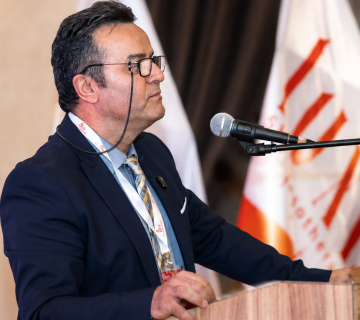
In this context, an interview was conducted with Dr. Ali Faraji, CEO of Atra Zist Aray, a leading company in the production of pharmaceutical and biotechnological products. Dr. Faraji outlined the positive impact of these measures on improving production continuity and revitalizing industry confidence, while also proposing practical solutions for overcoming the ongoing crisis.
This interview highlights the constructive interaction between regulatory authorities and domestic manufacturers in the pursuit of a sustainable pharmaceutical industry.
CEO of Atra Zist Aray: IFDA’s Recent Policies Are Practical Steps Toward Supporting Domestic Pharmaceutical Production
Dr. Ali Faraji, CEO of Atra Zist Aray Pharmaceutical Company, stated that the partial payment of outstanding claims, facilitation of licensing processes, and import control policies under the recent management of the IFDA represent effective and practical measures to help the pharmaceutical industry overcome liquidity challenges and strengthen domestic production.
In an interview with IFDA News (IFDANA), Dr. Faraji noted that a significant portion of pharmaceutical companies’ outstanding receivables was paid during the final month of the year. According to him, these payments—made in coordination with the IFDA—are estimated at approximately 100 to 120 trillion IRR, and have helped alleviate liquidity pressure across the industry.
He emphasized that the primary challenge facing the pharmaceutical sector today is the lack of sufficient working capital, adding that prolonged delays in claim settlements have disrupted timely procurement of raw materials and created serious obstacles for maintaining production levels.
Positive Management Changes at IFDA
Dr. Faraji pointed to positive changes under the current IFDA leadership, stating that unlike previous periods, the current management—due to its background in the pharmaceutical industry—has a more accurate understanding of manufacturers’ challenges.
He explained that in recent months, measures such as price adjustments, streamlining licensing procedures, and tighter control of imports have been implemented, all of which have had a positive impact on domestic pharmaceutical production.
Aging Equipment and the Need for Financial Support
Addressing the issue of outdated machinery and production lines in many pharmaceutical factories, Dr. Faraji stressed that modernization requires bank financing and direct government support.
He proposed that banks accept production machinery and industrial equipment as collateral, which would significantly ease access to financial facilities for manufacturing units and accelerate industrial renewal.
Key Strategies for Sustainable Recovery
In conclusion, Dr. Faraji emphasized that reforming the pharmaceutical pricing system, supporting exports, and enabling access to new technologies are the three main pillars for overcoming the current situation. He noted that achieving these goals requires inter-agency cooperation and decisive policymaking at the macro level.
Effective Measures by the Iran Food and Drug Administration
A review of Dr. Faraji’s remarks clearly indicates that the recent effective measures taken by the IFDA have relieved a significant burden from pharmaceutical manufacturers and helped restore confidence and motivation among industry stakeholders.
Key actions include:
-
Timely settlement of outstanding payments
-
Revision of pharmaceutical pricing mechanisms
-
Simplification of licensing procedures
-
Targeted and controlled pharmaceutical imports
These measures reinforce the core foundations of domestic pharmaceutical production and contribute to the stability of the national drug supply chain.
Outlook and Future Requirements
For sustainable recovery, additional support mechanisms are still needed, including:
-
Bank financing with production equipment accepted as collateral
-
Expanded export facilitation policies
-
Modernization of technical infrastructure
-
Strengthening research and development (R&D) capacities
The experience of Atra Zist Aray demonstrates that with effective planning and collaboration between regulatory bodies and knowledge-based companies, a brighter future for Iran’s pharmaceutical industry is achievable.
The continuation of IFDA’s effective policies can become one of the most critical drivers of sustainable development, increased production resilience, and pharmaceutical self-sufficiency in the country.



بدون دیدگاه