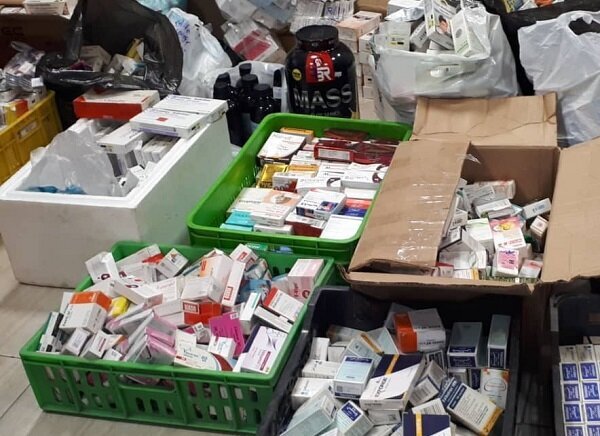
With the rapid advancement of modern technologies in dermatology and aesthetics, products such as exosome‑based formulations have emerged as one of the most innovative approaches to rejuvenation worldwide. However, the absence of a clear regulatory framework for their import and use in Iran has paved the way for the infiltration of smuggled and unlicensed products into the domestic market.
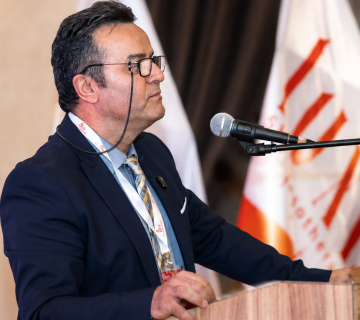
Dr. Ali Faraji, CEO of Atra Zist Aray, warned that the increasing availability of counterfeit beauty products poses a serious health and economic risk to the country. He emphasized the urgent need for a regulated system for the importation and local production of exosome‑based products. In response, the Iran Food and Drug Administration (IFDA) has recently issued a draft guideline for the registration and evaluation of such products — a promising step towards smarter and safer market governance.
Unregistered Beauty Products: A Growing Health Concern
Beauty and rejuvenation products remain one of the most problematic sectors in Iran’s cosmetics market. While there are no precise statistics on the extent of product smuggling, evidence suggests that these items have widespread distribution and growing consumer demand.
“The main concern,” said Dr. Faraji, “is that many of these illegally imported goods are counterfeit, carrying fake labels of well-known international brands. Some are repackaged in neighboring countries and then smuggled into Iran. The use of such unauthorized items can lead to serious health complications.”
He further noted that a serious and sustained effort to support domestic producers and to combat illegal imports is vital—not only to safeguard public health but also to strengthen Iran’s knowledge-based economy.
Exosome Products on the Threshold of Legal Introduction
Dr. Faraji pointed out that exosome-based products have recently become one of the most innovative scientific breakthroughs in the global dermatology and aesthetics market. Exosomes are natural vesicles derived from cells that play a vital role in tissue repair and rejuvenation. Depending on their origin, they can be classified into animal‑based and plant‑based categories.
He clarified that animal-derived exosome products have not yet received official approval anywhere in the world for either therapeutic or cosmetic applications. They are only used off-label in certain markets and, in Iran, have entered the country illegally through smuggling channels, putting consumer health at risk.
In contrast, plant‑derived exosome formulations have gained official authorization in several countries and are legally recognized. However, Iran’s Ministry of Health has yet to issue formal licensing for the importation or use of such products in the domestic market.
He added that the IFDA’s draft regulation for exosome‑based product registration represents the first step toward legalizing and standardizing their entry into Iran’s healthcare and aesthetics sectors.
Atra Zist Aray’s Preparedness and Ethical Commitment
As one of Iran’s pioneers in exosome research and development, Atra Zist Aray has already developed ready‑to‑manufacture formulations for such products. Nevertheless, Dr. Faraji stated that the company will not initiate mass production until formal authorization is issued by the regulatory body, reaffirming the company’s ethical and compliance‑driven approach.
He highlighted that Atra Zist Aray remains committed to advancing science‑based innovation within the boundaries of regulation, ensuring both product safety and consumer trust.
Authorized Distribution Through Pharmacies and Clinics
Dr. Faraji further explained that the company’s botulinum toxin product “Dyston” is legally distributed across Iran through licensed pharmacies and official pharmaceutical distributors.
In addition, Atra Zist Aray’s rejuvenating dermal solution, classified within the medical supplies category, is distributed through certified pharmaceutical channels to medical professionals and specialized aesthetic clinics under regulatory oversight.
These practices demonstrate the company’s steadfast adherence to lawful distribution protocols and quality assurance standards.
Conclusion: Toward a Safe and Regulated Aesthetic Market
The entry of smuggled beauty products into Iran poses a dual threat — undermining public health and weakening the national knowledge‑based economy. Until official regulations for exosome‑based products come into effect, responsible companies such as Atra Zist Aray will continue to uphold ethical production standards and refrain from mass manufacturing without proper authorization.
The company’s successful track record with legally approved products like Dyston Botox and Atra Zist rejuvenating solution stands as evidence of its commitment to regulatory compliance and consumer well-being.
A collaborative effort between pioneering domestic manufacturers and regulatory authorities will pave the way for higher safety standards and a more transparent, reliable aesthetic market in Iran.


بدون دیدگاه